
Edge AI for Smart Cities: Real-Time Traffic and Pedestrian Monitoring
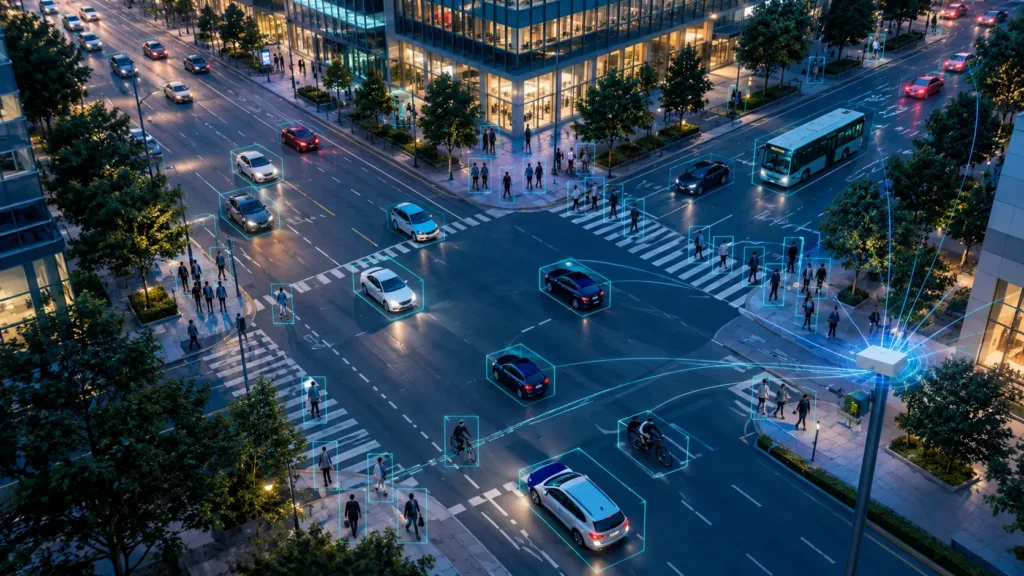
Edge AI for smart cities means analyzing camera and sensor data on or near the device that captures it, rather than streaming raw video to a distant cloud. Common edge AI applications in smart cities include real-time urban monitoring of traffic flow, pedestrian counts, and parking occupancy. Local processing delivers faster insights, uses less bandwidth, […]
How Engineers Implement Always-On AI Vision At The Edge

Engineers implement always-on AI vision at the edge by moving the decision closer to the pixel. Instead of streaming every frame to a separate processor, the system senses continuously at low power, filters out redundant data, runs inference only on what matters, and sends or acts on a small result. Intelligent vision sensors with in-pixel […]
The Rise Of Edge AI In Healthcare

Edge AI in healthcare means running artificial intelligence directly on the device that collects patient data, such as a wearable, bedside monitor, imaging system or room sensor. The device analyzes data in milliseconds instead of sending it to a remote cloud first. This speeds up alerts, keeps sensitive information closer to the patient and lets […]
Oculi Evaluation Program: How to Test an AI Vision Sensor Before You Build
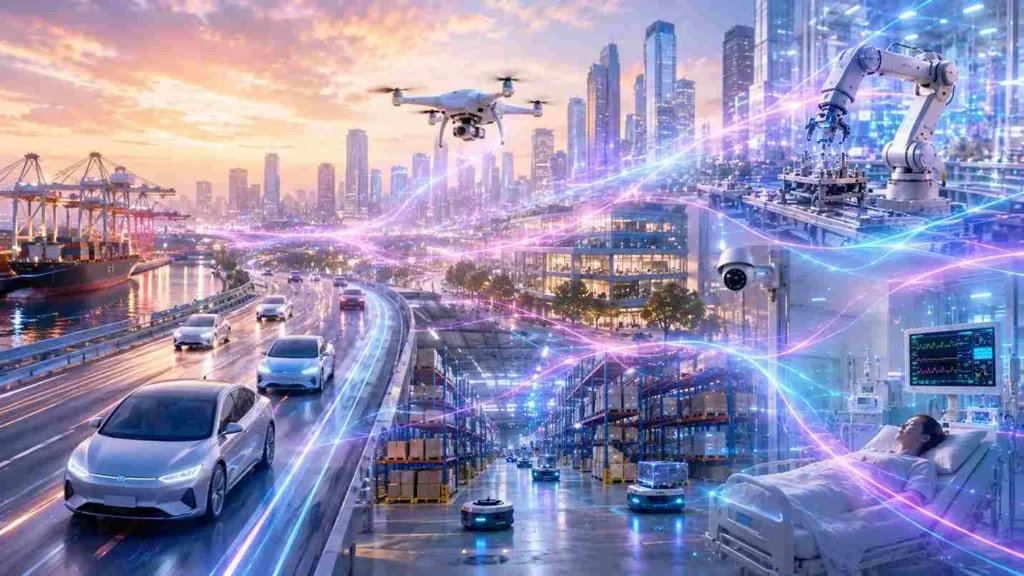
Why AI vision sensor evaluation is harder than it looks Most machine-vision systems pair a camera with a computer. The camera is a CMOS image sensor built to capture pictures for people, so it streams millions of pixels whether or not they matter to the AI model downstream. That costs power, adds latency and sends […]
Edge AI Use Cases by Industry: Applications and Benefits
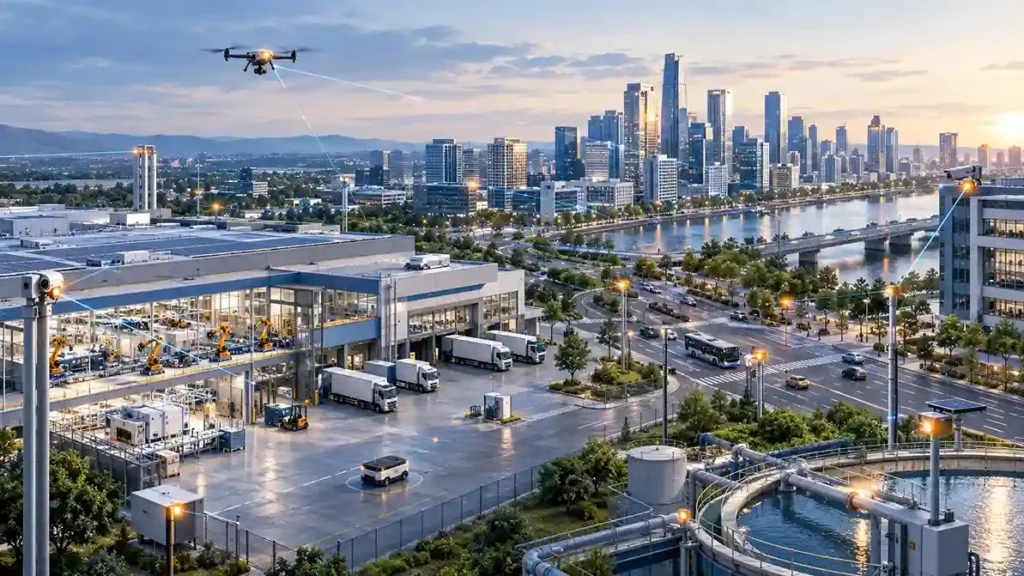
Edge AI analyzes data near its source. This could be a device, camera, sensor, or nearby gateway. It does not need to send every decision to a remote data center. Edge AI is useful when speed, connectivity, power, or bandwidth is limited. It can also help improve data privacy.Computer vision is a key use case. […]
Intelligent Vision Sensors for Industrial Automation and Smart Machines
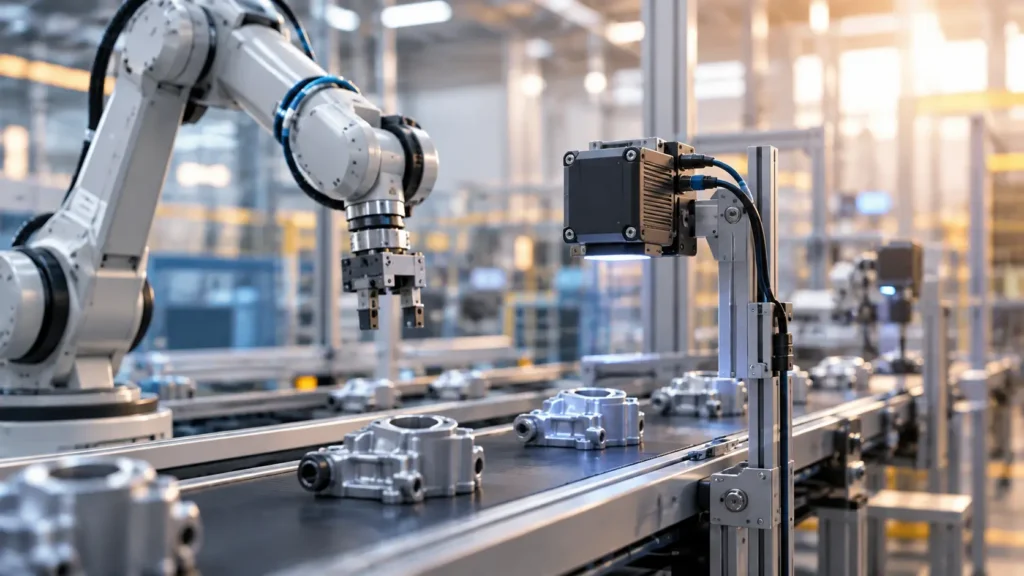
Industrial machines increasingly need to perceive their environment in real time but continuously moving high-volume visual data to external processors creates real challenges in latency, bandwidth, power, and system complexity. As production lines add more cameras, robots take on more autonomous decision-making, and inspection stations run at higher speeds, that conventional capture-and-transfer model is becoming […]
What is Intelligent Vision Sensor? A Complete Guide
An intelligent vision sensor is an image sensor architecture that embeds computation directly into the pixel array or sensing substrate, so a system extracts task-relevant information at the point of capture instead of streaming full raw frames to a downstream processor for every cycle. The category spans a spectrum, from limited on-chip filtering to fully […]
AI Vision Sensor: A Complete Guide
Cameras have traditionally done one job capture an image and send it somewhere else to be understood. An AI vision sensor changes that relationship by moving part of the intelligence into the sensor itself, so a system can start making sense of what it sees closer to the point of capture. This matters because more […]
How OCULI SPU Transforming AI Vision Technology
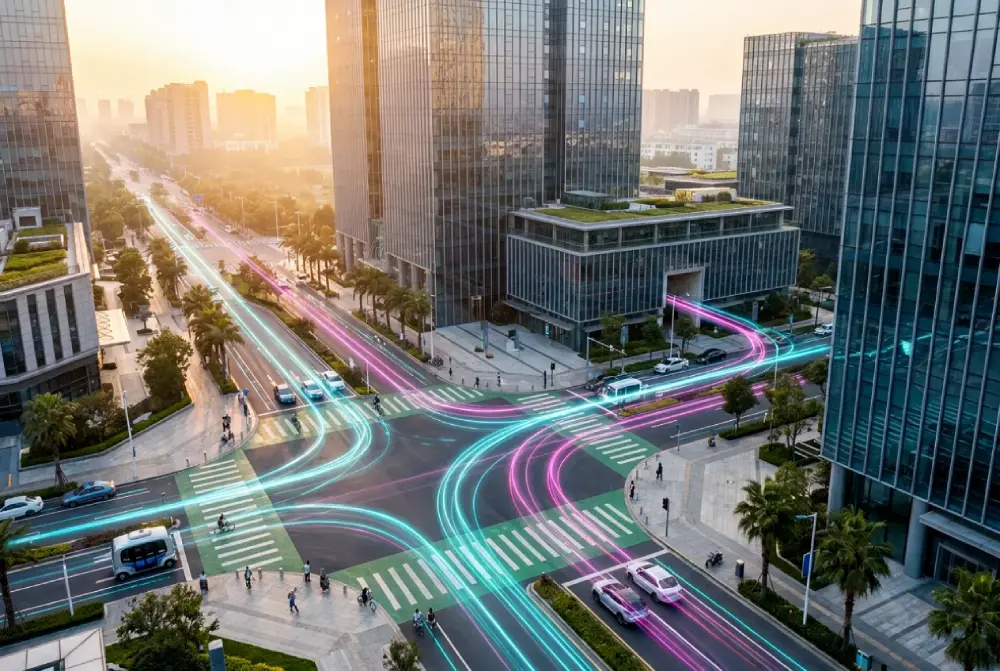
AI Vision sensors are evolving from devices that simply capture images into systems that can process visual information closer to the point of sensing. This shift is driven by the growing demands of edge AI applications, where bandwidth, latency, power consumption, privacy, and continuous operation can constrain conventional camera architectures. Oculi approaches this problem through […]